
Planning to knock down an old property and start fresh? One of the first questions every homeowner asks is simple: how much will it cost? The honest answer is that there’s no flat rate. House demolition cost in Melbourne varies significantly depending on a range of factors, from the size of the structure to its exact location within the city. Understanding these variables upfront can help you budget realistically and avoid unpleasant surprises once work begins.
Why There’s No One-Size-Fits-All Price
Unlike a fixed-price service, demolition work is highly site-specific. Two houses of similar size on different streets can end up with very different quotes. This is because so many elements factor into the final number, and any reputable contractor will assess your property individually before providing an estimate. In general, house demolition cost in Melbourne is shaped by the building’s footprint, the materials used in its construction, accessibility for machinery, and how much material needs to be removed from site.
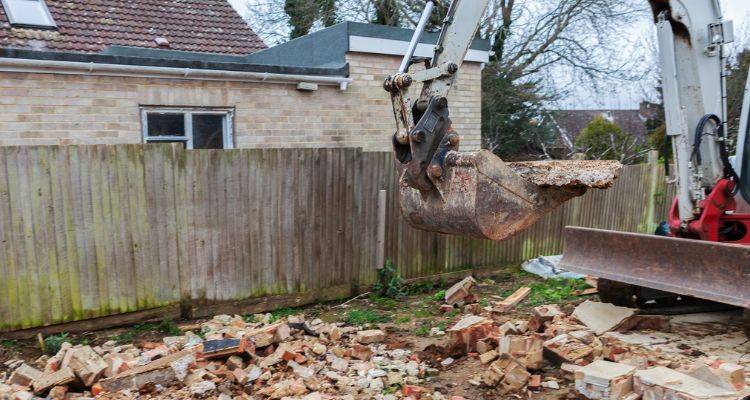
Key Factors That Influence Pricing
Size and structure type
Larger homes naturally cost more to demolish simply because there’s more material to break down and haul away. A single-storey weatherboard cottage will typically cost less than a double-storey brick veneer home of the same footprint, since brick and concrete require more time and heavier equipment to dismantle.
Location and site access
Inner-city properties on narrow streets often push house demolition cost in Melbourne higher because contractors need smaller, specialised machinery and more careful planning to protect neighbouring properties, footpaths, and underground services. Suburban blocks with wide driveways and easy access for excavators tend to be more cost-effective to clear.
Hazardous materials
Homes built before the late 1980s often contain asbestos in roofing, wall sheeting, or flooring. Safe removal requires licensed specialists and adds a notable cost, but it’s not optional — skipping proper asbestos handling is illegal and dangerous.
Utility disconnections and permits
Before any home demolition in Melbourne can begin, gas, electricity, water, and telecommunications need to be safely disconnected. Council permits and reports, including asbestos assessments, are also required, and these administrative steps add to the overall budget.
Waste disposal and recycling
Where the debris goes matters too. Contractors who recycle concrete, timber, and metal may offer more competitive rates than those sending everything straight to landfill, since recyclable materials can offset disposal fees.
Getting an Accurate Quote
Because pricing varies so much, the smartest approach is requesting multiple detailed quotes from licensed contractors experienced in home demolition in Melbourne. A trustworthy provider will visit the site, assess access points, check for hazardous materials, and explain exactly what’s included — permits, disconnections, waste removal, and site clean-up — rather than offering a vague ballpark figure over the phone.
It’s also worth asking whether the quote is fixed or subject to change once work is underway. Unexpected discoveries, like buried debris or additional asbestos, can affect the final price, so a contractor who communicates transparently about these possibilities is worth prioritising.
Final Thoughts
There’s no shortcut to an accurate figure without a proper site assessment. House demolition cost in Melbourne depends on too many variables to estimate from a distance, but understanding what drives the price — size, access, hazardous materials, and disposal — puts you in a stronger position when comparing quotes. Investing time in choosing an experienced provider for home demolition in Melbourne pays off through fewer surprises and a smoother project overall.